
Landscape Architect in Rolling Hills, CA
A landscape architect looks at a property before anything gets built on it. On a Rolling Hills lot, that first look matters more than almost anywhere else in Los Angeles. The slope, the trail line, the view, and the review board all shape what a yard can become, long before a single plant goes in the ground. We plan outdoor spaces for Rolling Hills estates from the ground up, working through the terrain and the approval process together instead of treating design and construction as two separate conversations.
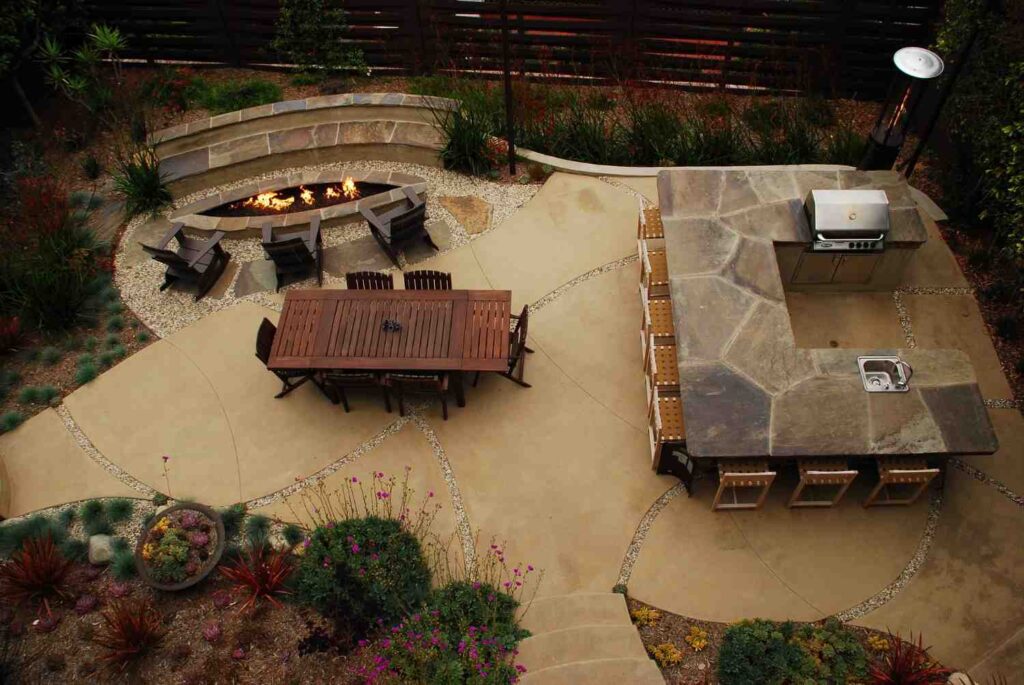
What does a landscape architect do differently than a contractor?
A contractor builds what is drawn. A landscape architect decides what should be drawn in the first place. That includes grading strategy, plant placement, water flow, and how the whole property reads as one design instead of a collection of separate features. On a hillside estate, that planning step often decides whether a project succeeds or runs into problems later.
Reading the Land Before Drawing a Line
Every Rolling Hills property carries its own slope, soil, and sightlines. A plan that ignores those realities tends to fail once construction starts. We walk the property first, mapping where water moves, where the grade breaks, and where a trail or easement limits what can go where. The design comes after that, not before it.
Working With the Review Board From the Start
Rolling Hills reviews nearly every visible change to a property through its community architectural board. Grading plans, retaining structures, and even planting near a trail or view corridor fall under that review. We prepare landscape plans with that process in mind from the first draft, so the design that gets approved is close to the design we first proposed.
Do I need a landscape architect if I already have a contractor?
Yes, especially on a property this size. A contractor executes a plan well, but a landscape architect builds the plan itself, accounting for drainage, plant health, and long term maintenance. Without that planning step, a contractor is often building around problems instead of avoiding them.
Planning for the Peninsula Climate
Ocean air keeps Rolling Hills cooler and more humid than inland Los Angeles, which changes what grows well here. Plant choices that thrive in the valley often struggle on the Peninsula, and the reverse is also true. A planting plan built for this specific climate holds up far better over time than one copied from a different part of the region.
Will drought tolerant planting still look right on an estate property?
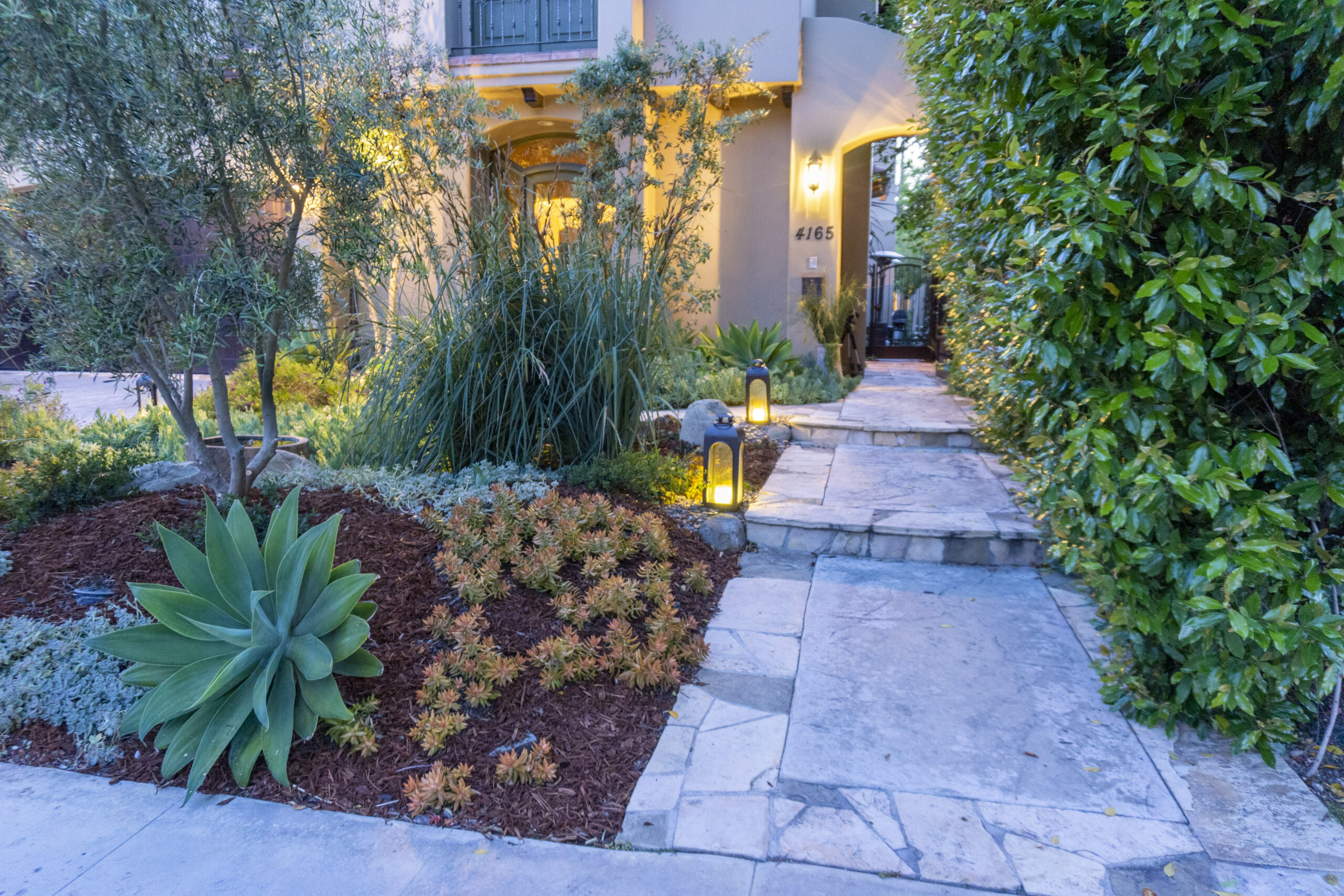
Yes, when it is chosen and placed correctly. Drought tolerant planting has come a long way from the sparse gravel yards it used to mean. Layered textures, mature shapes, and the right color palette can read as lush and intentional while using far less water than a traditional lawn.
Designing Around the View
Many Rolling Hills properties look out over canyon or coastline. A landscape plan should frame that view, not compete with it. Tree placement, wall height, and even planting density all affect what a homeowner sees from the house. We plan sightlines as carefully as we plan the hardscape itself.
Water Flow and Long Term Site Health
How water moves across a sloped property affects everything built on it, including the plants themselves. A planting and irrigation plan that ignores drainage patterns often leads to erosion, root rot, or dead sections of a yard within a few years. We design irrigation and grading together so the landscape stays healthy well past the first season
Let’s Talk Today!
Address:
Heil Ave, Huntington Beach, CA 92649, USA
Begin Your Green Journey
We’d love to hear from you. Fill in your details and let’s start planning your perfect outdoor space.