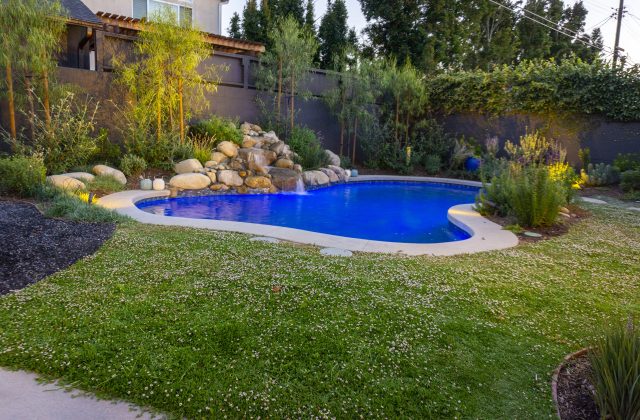
Hancock Park has some of the most distinguished residential streetscapes in Los Angeles. Old-growth deodar cedars line Muirfield Road. Formal boxwood hedges frame Tudor Revival facades on Lucerne Boulevard. Mature sycamores canopy the sidewalks along June Street and Hudson Avenue. The landscape here is part of the architecture. Changing it without understanding it causes lasting damage to the property, to the street, and to the HPOZ designation that protects the neighborhood’s character.
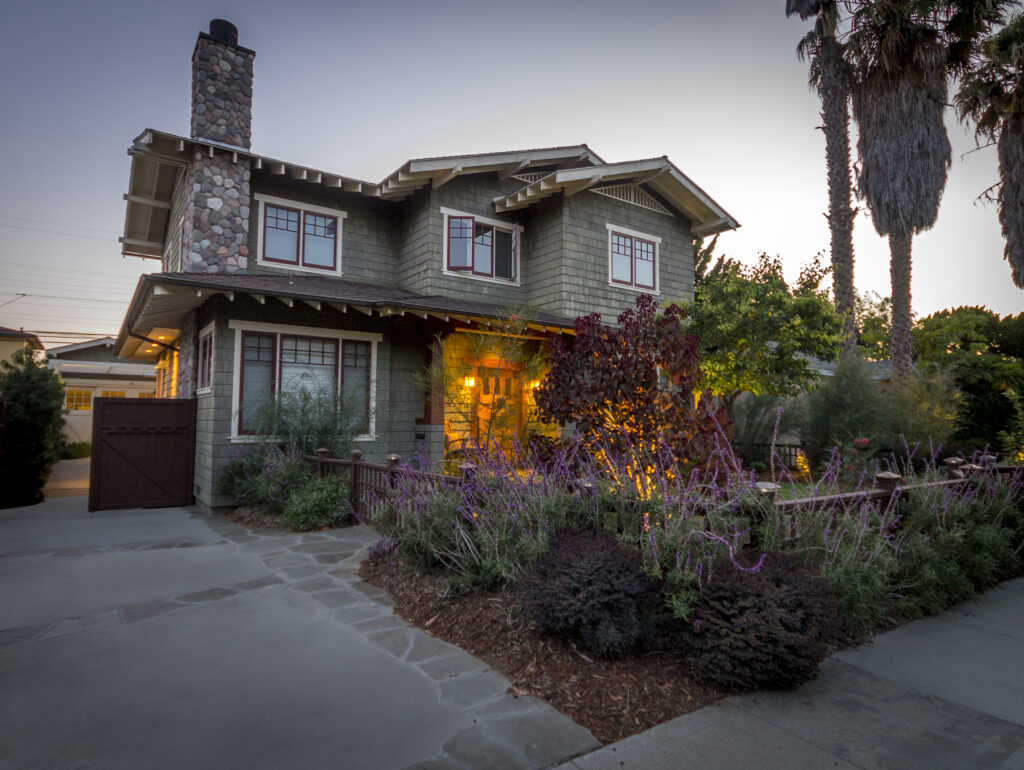
Landscape design in Hancock Park is not a planting-catalog exercise. The HPOZ regulates changes to front yard character visible from the street. Removing a mature hedge, paving over a grass verge, or installing a fence incompatible with the architectural period can trigger OHR review. The tree canopy in Hancock Park is also a legal consideration. The City of Los Angeles Protected Tree Ordinance covers multiple species common here coast live oaks, California sycamores, and Southern California black walnuts. Removing or significantly pruning a protected tree requires a permit from LA Bureau of Street Services Urban Forestry Division. Beyond regulation, these gardens carry genuine horticultural history. Some front gardens on Fremont Place and Windsor Square contain plantings that predate World War II. A landscape architect who treats them as blank slates will erase what took generations to establish.
Many Hancock Park properties have front and rear gardens that were formally designed in the 1920s and 1930s but have been neglected or altered without regard to the original intent. We assess original garden structure — remaining hardscape, mature plantings, boundary treatments — and restore what can be recovered. Period-appropriate species for Hancock Park gardens include formal boxwood hedging, Japanese maples, climbing roses on brick walls, wisteria on pergolas, and lawn panels framed by clipped yew. These are not nostalgic choices — they are the correct horticultural response to this architecture.
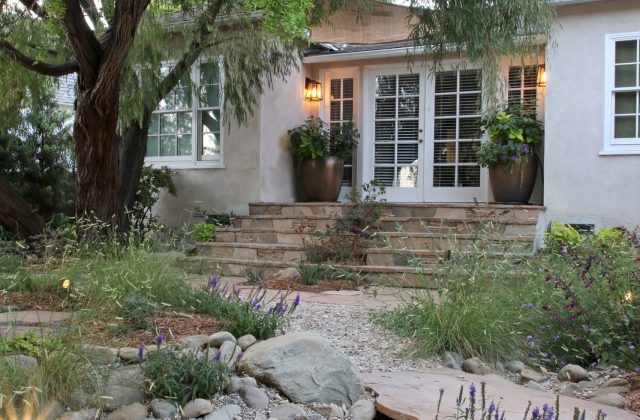
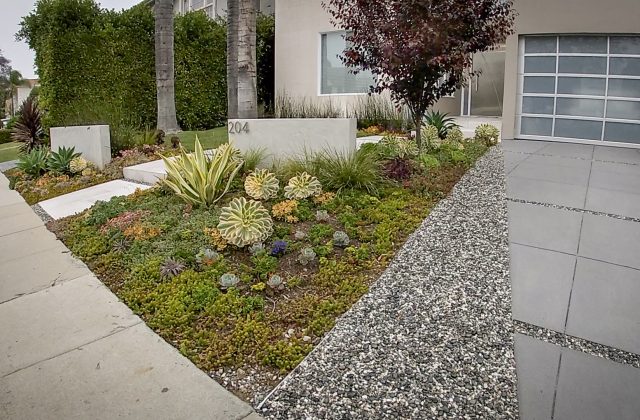
Front gardens in Hancock Park set the tone for the entire property and for the street. We design front gardens that are compatible with the architectural style of the home and compliant with HPOZ standards where applicable. Lawn panels, clipped hedges, brick or stone paths, and specimen trees planted in period-appropriate positions are the foundation of most Hancock Park front garden designs. We manage OHR review where required.
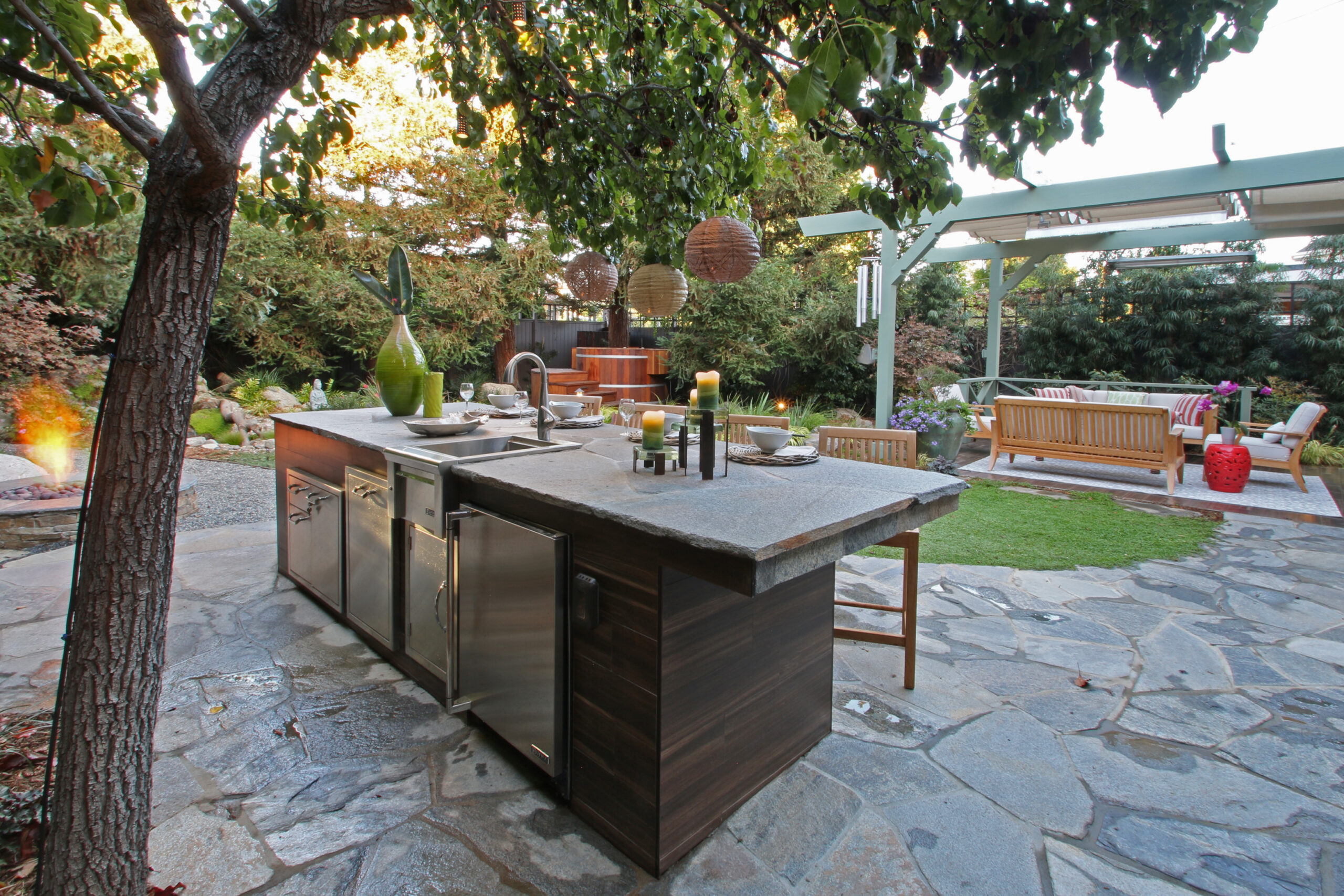
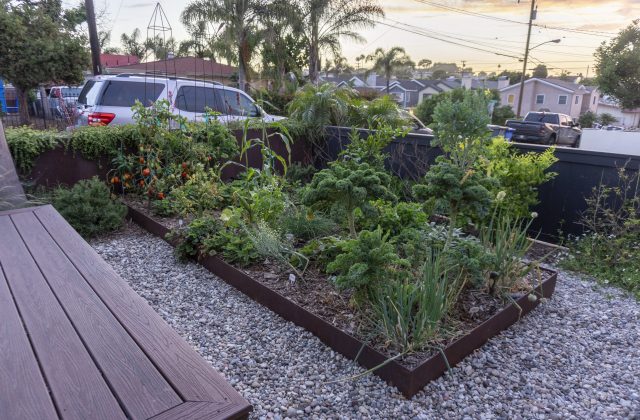
Rear gardens in Hancock Park are not subject to HPOZ review and offer more design freedom. We design rear gardens that extend the livability of the home — terraces, kitchen gardens, outdoor dining areas, play lawns, and ornamental borders — while respecting the scale and character of the surrounding architecture.
Hancock Park's tree canopy is one of its defining features and one of its most regulated assets. The deodar cedars on Muirfield Road, the sycamores along Hudson Avenue, and the coast live oaks in rear gardens are protected under the LA City Protected Tree Ordinance. We coordinate ISA-certified arborist assessments for any work near protected trees, prepare permit applications to the LA Bureau of Street Services Urban Forestry Division where removal or significant pruning is proposed, and design around existing trees wherever possible to preserve what decades of growth have produced.
Period-appropriate hardscape materials for Hancock Park include brick, flagstone, decomposed granite, and cast concrete. We specify these over modern poured concrete, pavers, and synthetic materials that read as anachronistic against pre-war residential architecture. Garden structures — pergolas, arbors, trellises, low walls — are designed in materials and profiles consistent with the home's architectural style. A Tudor Revival does not get a clean-line modern pergola.
LADWP's water restrictions apply throughout Los Angeles. We design drip irrigation systems zoned by plant type, controlled by smart ET-based controllers eligible for LADWP WaterSmart rebates. Hancock Park's clay-heavy soils require careful irrigation scheduling to avoid waterlogging — a common cause of tree root disease in this neighborhood.
Flat lots in Hancock Park — common on the interior blocks between Rossmore Avenue and Highland Avenue — accumulate surface water after heavy rain. We design French drain systems, dry creek beds, and bioswales that redirect runoff without altering the visual character of the garden.
Hancock Park | Windsor Square | Fremont Place | Larchmont Village | Brookside | Mid-Wilshire | Miracle Mile | Koreatown | Los Feliz
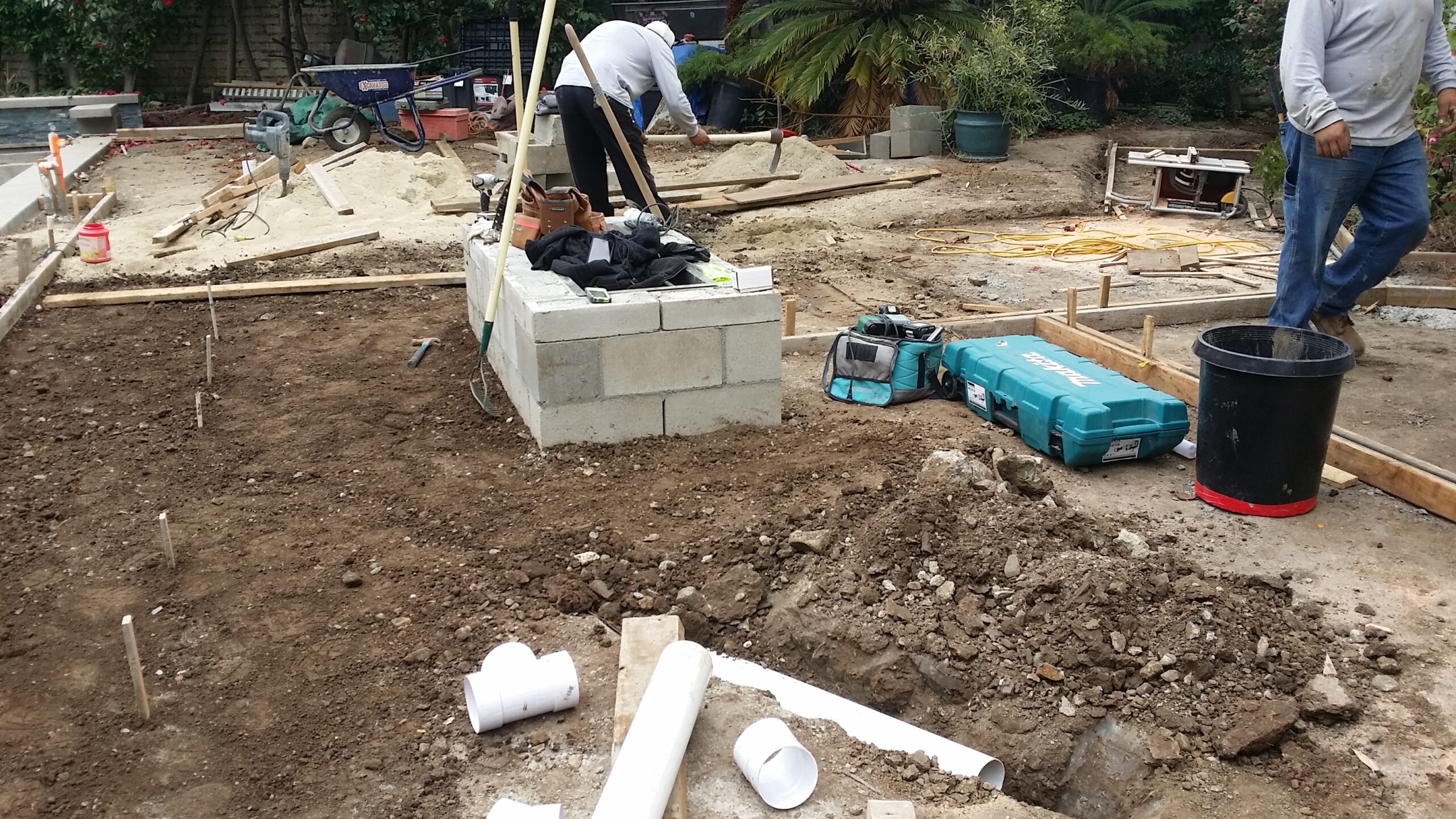
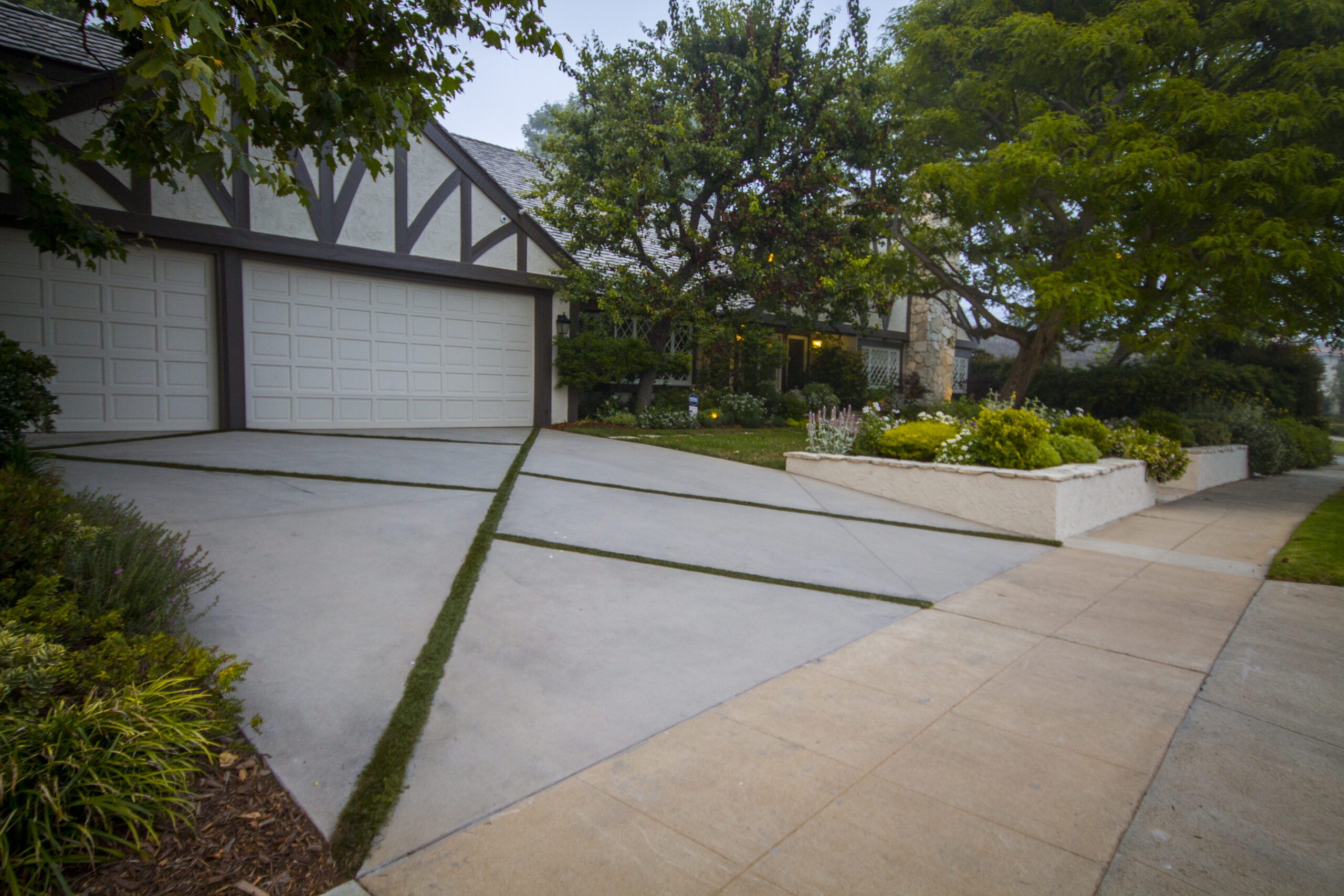
A 1927 Tudor Revival with an original front garden reduced to a single lawn panel and overgrown foundation planting. We restored formal structure — clipped boxwood parterres, a brick path centered on the front door, climbing roses on the facade, and a lawn panel proportioned to the house. OHR Certificate of Appropriateness obtained in 6 weeks. Installation complete in 3 weeks. The property listed two months later at $200,000 above the original asking price.
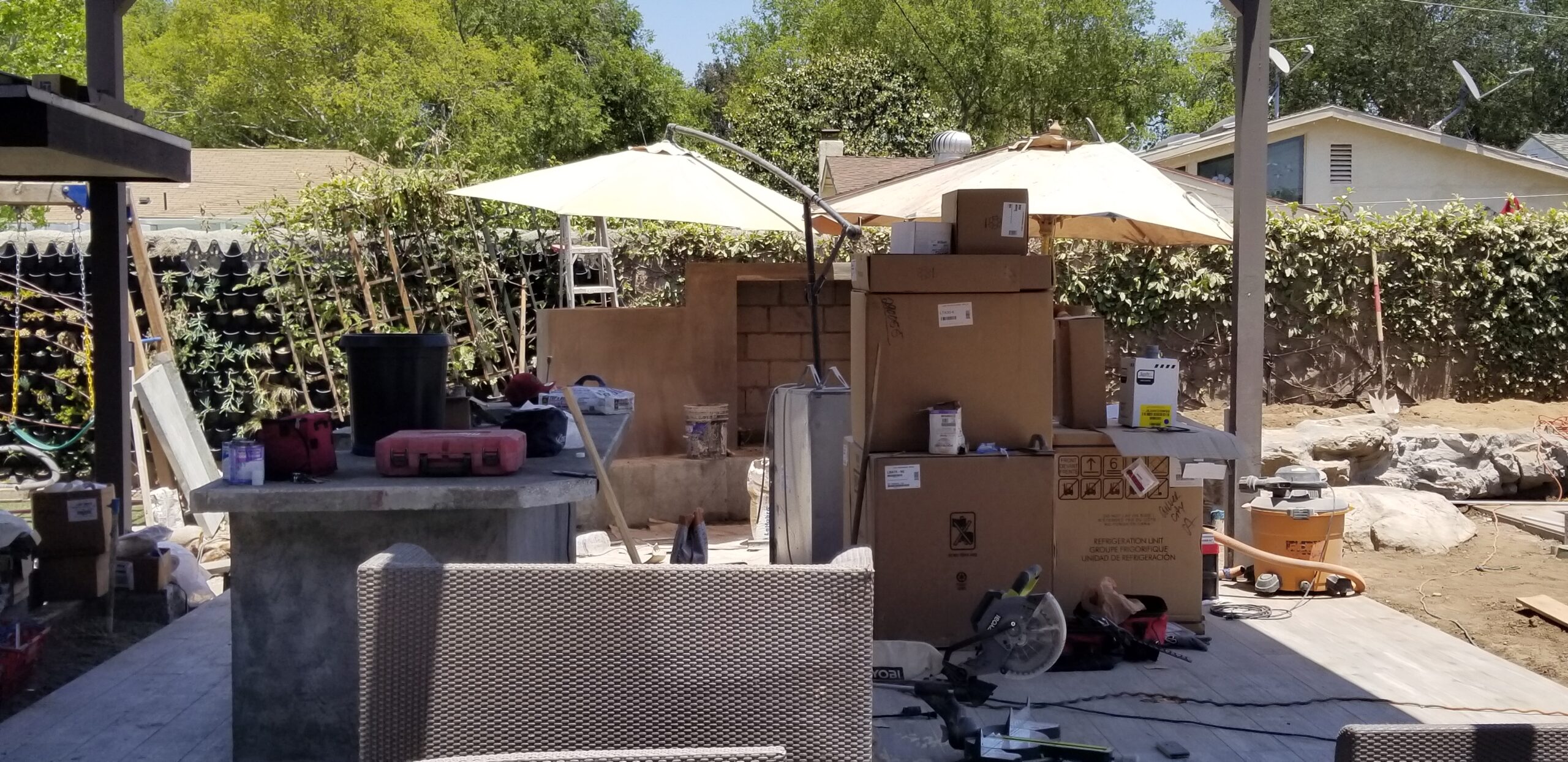
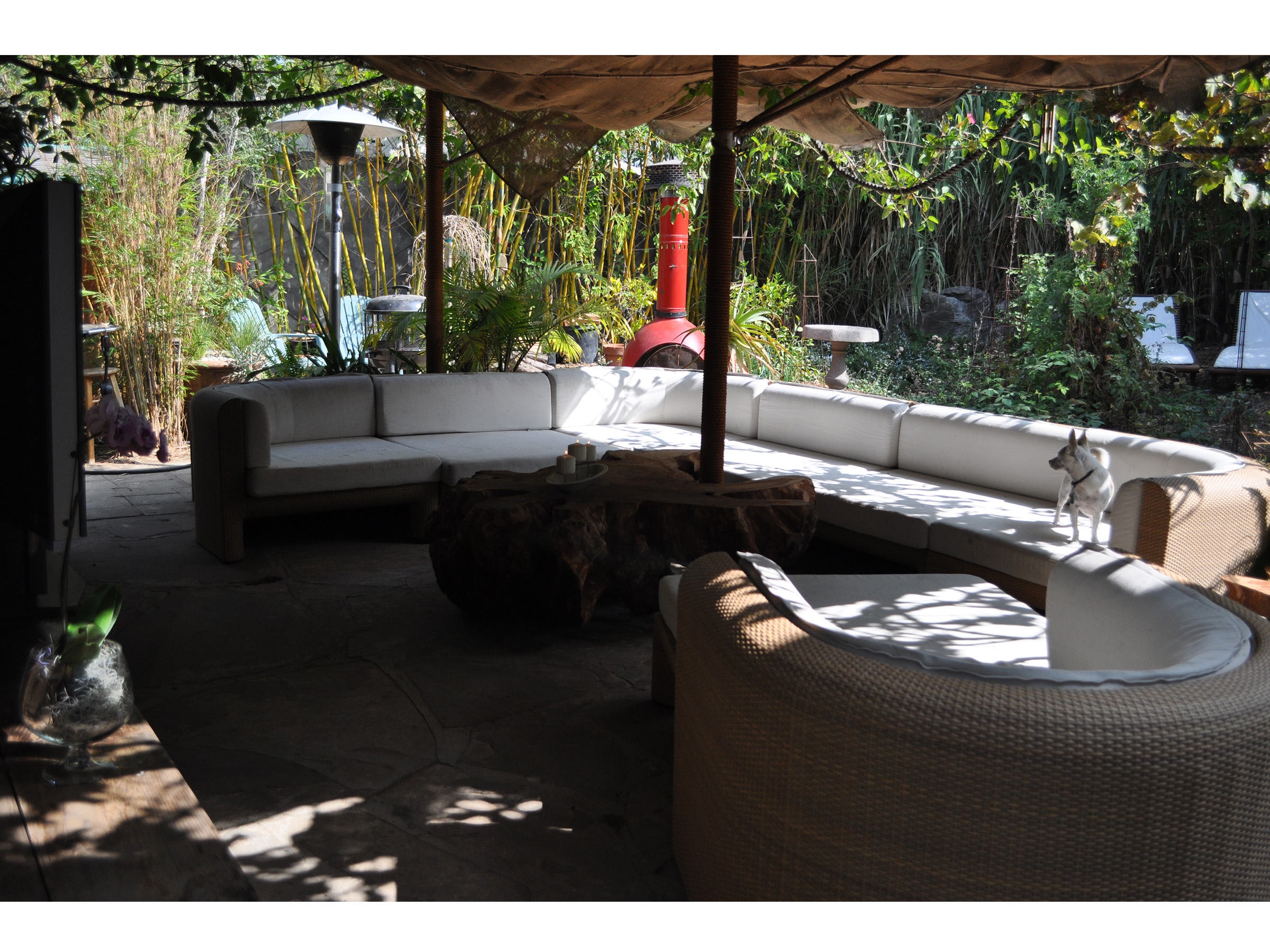
A rear garden on Lucerne Boulevard had never been designed — a concrete pad, a dead lawn, and a single avocado tree. We built a formal terrace in reclaimed brick extending from the rear doors, a kitchen garden in raised beds compatible with the Colonial Revival architecture, a clipped hornbeam hedge as the rear boundary, and a new irrigation system zoned for each planting area. No HPOZ review required. LADBS permit for the terrace drainage in 4 weeks. Installation in 5 weeks.
Heil Ave, Huntington Beach, CA 92649, USA
Weu2019d love to hear from you. Fill in your details and letu2019s start planning your perfect outdoor space.