Landscape Architect in Palos Verdes Estates
Two lots sit side by side in Malaga Cove. Same slope, same soil, same ocean air. One yard holds up after ten years. The other cracks, erodes, and blocks the view it was supposed to frame. The difference almost never comes down to budget. It comes down to whether a landscape architect planned the site before anyone touched a shovel.
Reading The Site Before Drawing Anything
Coastal wind does not treat every part of a lot the same way. A slope facing Lunada Bay takes a harder hit than a sheltered corner near the house. Sun exposure shifts through the day on a hillside in ways it never does on flat ground. Soil on a bluff shelf drains and moves differently than soil a few miles inland in Torrance. A real site analysis walks the property at different times of day, tests drainage patterns, and maps wind exposure before a single plant gets chosen.
Is A Landscape Architect The Same As A Landscaper?
A landscaper installs plants and maintains what already exists. A landscape architect plans the site itself, including grading, drainage, irrigation, and how the whole property connects before any planting begins. On a flat inland lot, that distinction matters less. On a sloped Palos Verdes Estates property, skipping the design phase is how homeowners end up with erosion, dead plants, and a view slowly swallowed by trees nobody planned for.
Choosing Plants That Actually Survive Here
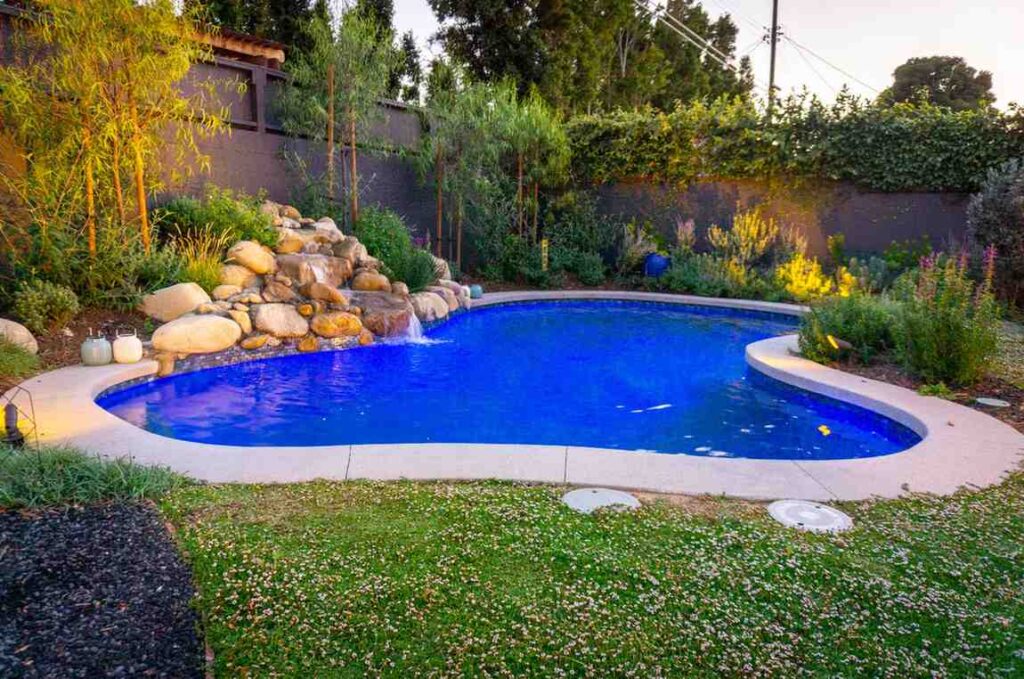
Salt air kills plants that would thrive twenty minutes inland. Native and Mediterranean climate species handle that exposure because they evolved for it. Low ground cover near a bluff edge holds soil in place. Taller shrubs and trees get positioned where wind exposure drops off, often set back from the edge rather than planted right into it. A planting plan also has to account for growth over ten or fifteen years, not just how a yard looks the day it gets installed. A tree planted in the wrong spot today can block a Catalina Island view within a decade.
Water Rules Do Not Have To Mean A Bare Yard
California’s Model Water Efficient Landscape Ordinance sets water budgets for new residential landscaping. Homeowners sometimes assume that means a yard full of gravel and a few succulents. It does not. Drought tolerant and native plants can still deliver a full, layered look, especially when paired with drip irrigation and smart controllers that adjust watering based on real weather data instead of a fixed schedule. Meeting the water budget and having a landscape that looks intentional are not competing goals when the design accounts for both from the start.
From Approved Plan To Finished Yard
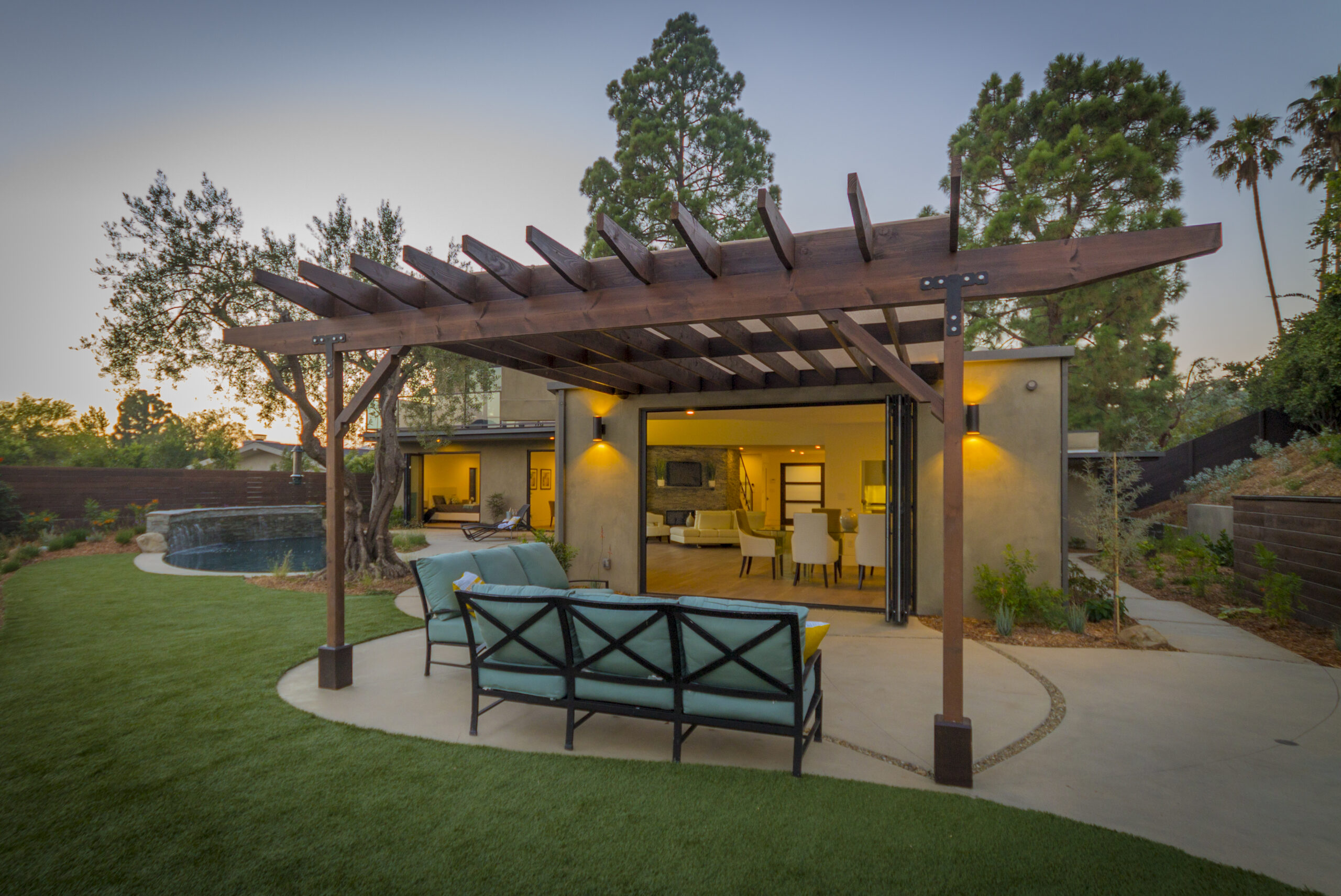
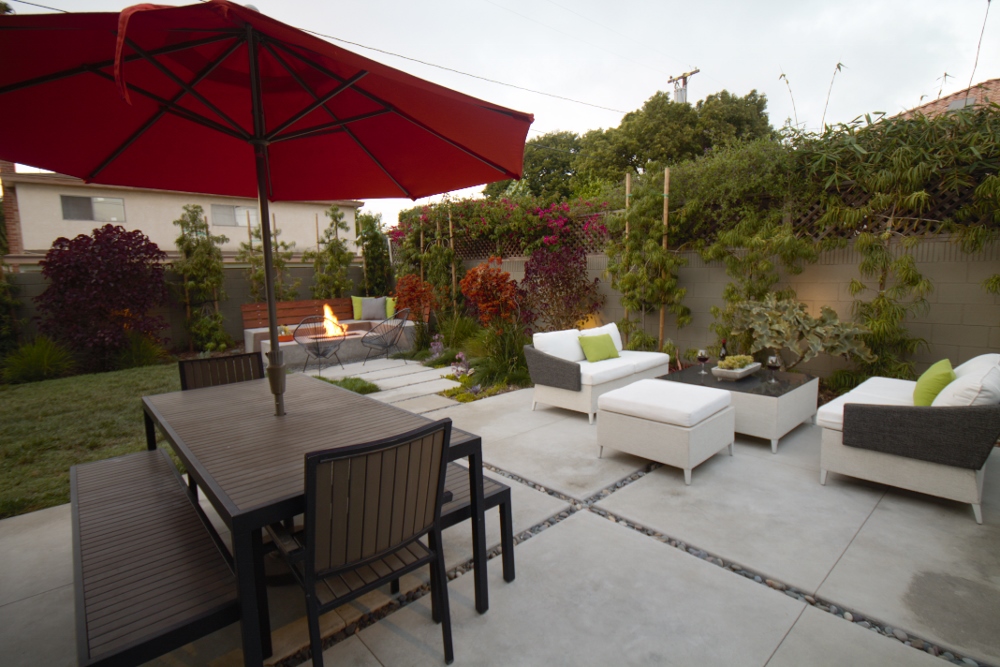
A design starts as a concept plan, showing layout, planting zones, and how the yard connects to the house and any hardscape or pool already planned. That concept gets refined into a detailed plan with specific plant selections, irrigation layout, and lighting placement. Once approved, the same plan hands directly to construction. Keeping design and build under one roof means what gets installed matches what got drawn, instead of details getting lost when a plan changes hands between separate companies.
How Long Does A Landscape Design Take To Complete?
A design plan for an average property takes two to four weeks from the first site visit to an approved final plan. Installation timelines depend on scope, ranging from a few days for planting alone to several weeks when grading or drainage work is involved.
How Much Does Landscape Design Cost In Palos Verdes Estates?
Installation costs vary based on plant size and irrigation complexity, generally landing between 15 and 40 dollars per square foot for planting alone. A mature specimen tree can cost more than an entire bed of smaller plants. Slope and soil condition affect installation price as much as the plant list does.
Signs Your Project Needs A Landscape Architect
A few situations point clearly toward hiring a landscape architect rather than a planting crew. Your lot has real slope or a grade change that affects drainage. You have a view worth protecting as plants grow over the years. Past plantings on the property have died, eroded, or grown in unevenly. You are coordinating landscaping with a pool, a hardscape project, or a home addition happening at the same time. You want a yard that still looks intentional five or ten years out, not just on the day it gets installed. If more than one of these sounds familiar, a planned design saves money over time compared to planting in phases without one.
Let’s Talk Today!
Address:
Heil Ave, Huntington Beach, CA 92649, USA
Begin Your Green Journey
We’d love to hear from you. Fill in your details and let’s start planning your perfect outdoor space.