
Landscape Construction in Dana Point, CA
Dana Point is known as the Whale Capital of the World and its residential geography reflects that coastal identity at every elevation. The bluff properties along Street of the Blue Lantern and Amber Lantern look directly over Dana Point Harbor. The Strand at Headlands sits on the last large oceanfront parcel developed in Orange County 121 acres above Strand Beach, flanked by preserved headlands. Niguel Shores and Monarch Bay back toward Salt Creek. Capo Beach to the south runs flat and direct to the sand.
Each site type carries distinct landscape requirements. Salt air off the harbor degrades poorly chosen plants and hardscape in a single season. The headland terrain behind The Strand requires engineered drainage before any planting takes root. Planting schemes in Ritz Cove and Monarch Bay must satisfy HOA landscape standards. And the California Coastal Commission holds jurisdiction over virtually the entire city. Tom Stout is licensed by CSLB as a Landscape Contractor (C-27), General Contractor (B), and Pool Contractor. Katherine Karges leads planting and garden design. One team, one contract, one permit package.
How Dana Point's Setting Shapes Every Landscape Decision
Three factors drive every specification we make in Dana Point.
Harbor and ocean exposure
The lantern streets of Lantern Village Street of the Green Lantern, Street of the Golden Lantern, Street of the Violet Lantern run directly above Dana Point Harbor. Properties here face marine air from the harbor mouth to the west and the open Pacific to the south. Plant selection on these lots is a technical exercise, not a preference exercise. Species that cannot tolerate salt exposure fail.
Elevation and grade
The terrain between PCH and the bluff top is not flat. Properties above Street of the Silver Lantern carry grade changes requiring retaining walls before any planting or paving can be established. At The Strand at Headlands, the headland topography creates drainage patterns that require engineered solutions.
Coastal Commission jurisdiction
The California Coastal Commission's Local Coastal Program applies across Dana Point. New planting installations, retaining walls, significant grading, and outdoor structures in the coastal zone require a Coastal Development Permit. We confirm the full permit requirement at the first site assessment.
What permits does landscape construction require in Dana Point?
Retaining walls over 30 inches require a City of Dana Point building permit through the Community Development Department. Walls over 4 feet require structural engineering before permits are issued. Grading work requires a grading permit under Title 8, Chapter 8.01 of the Dana Point Municipal Code — no grading, clearing, or brushing can begin on natural grade without a grading permit from the Director. Projects generating construction debris require a Waste Reduction and Recycling Plan diverting 75 percent of debris from landfill before permits are issued. Projects in the coastal zone require a Coastal Development Permit filed alongside City permits. We file every application and manage plan check through final sign-off.
Landscape Construction Services in Dana Point
Planting Design and Installation
Dana Point planting design starts with a site read — not a catalog. Marine exposure level, slope aspect, soil drainage, and proximity to the water determine what performs.
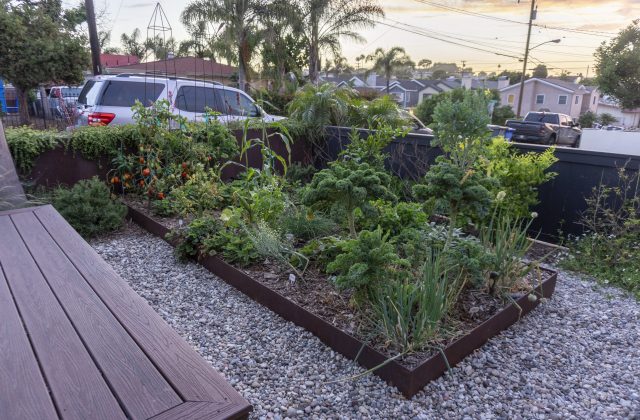
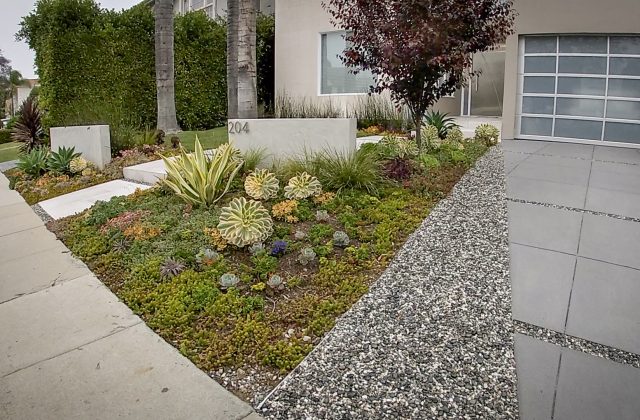
Within two blocks of the harbor or ocean, the plant palette narrows sharply. Agave, New Zealand Flax, Dymondia groundcover, Lemonade Berry, Toyon, and California native Buckwheat consistently hold in direct marine exposure. Lavender, Rosemary, and Cistus perform reliably in the sheltered garden sections of Monarch Bay and Niguel Shores, away from the strongest harbor wind. Nursery stock chosen for appearance over performance fails quickly here.
Per MWD data, drought-tolerant planting uses up to 70 percent less outdoor water than conventional turf. California’s MWELO requires a water budget, WUCOLS plant list, and irrigation efficiency plan for qualifying installations over 500 square feet. All documentation is produced in-house.
Retaining Walls and Grading
Grade changes are a standard condition on Lantern Village bluff properties and The Strand at Headlands parcels. Walls managing these grades are engineering problems before they are design problems.
Walls under 30 inches: no permit needed. Walls from 30 to 48 inches: City permit required. Over 4 feet: structural engineering — soil bearing analysis, drainage calculations, and load documentation — before the City issues a permit. Grading work requires its own permit under Title 8, Chapter 8.01 regardless of wall height.We produce or coordinate all required engineering before any application is filed.
Irrigation and Water Efficiency
MWELO-compliant drip and micro-spray systems zoned by plant type, sun exposure, and slope position are standard on every Dana Point project. Overhead spray irrigation wastes water through wind drift near the harbor and accelerates corrosion on hardscape surfaces.
MWD SoCalWater$mart rebates are included in every qualifying scope. Smart controller installation and soil moisture sensor integration are standard. All rebate submissions are handled as part of the project.
Outdoor Lighting
Low-voltage LED systems for garden pathways, step treads, specimen tree uplighting, and outdoor dining areas. Fixtures are wet-rated and corrosion-resistant for all properties with direct marine exposure. Conduit runs are placed before surface materials go down. Electrical permits are filed where required.
Pool and Water Feature Integration
Tom holds a Pool Contractor license alongside Landscape Contractor and General Contractor credentials. In-ground pools, spa installations, and water features are part of the same scope as the landscape not contracted separately.
Pool surround materials, coping, and planting adjacent to the pool are designed as one outdoor composition. Near the harbor or ocean, pool surround materials are specified for salt air.
Is a structural engineer required for retaining walls in San Clemente?
For masonry walls above the City’s permit height threshold: yes. Soil capacity analysis, drainage calculations, and load documentation are all required before the City issues permits. All engineering is produced or coordinated before any application is submitted.
Real Projects
Lantern Village — Harbor-View Terrace and Planting
A bluff property on Street of the Golden Lantern had bare concrete from the structure to the property edge and no organized planting. We designed a two-level terrace — sealed concrete upper dining area aligned with the harbor view axis, a lower garden level with decomposed granite paths and low limestone walls — and installed a WELO-compliant native planting scheme: Agave, Dymondia groundcover, Toyon, and Salvia. MWD rebate submitted as part of the project. Coastal Development Permit and building permit filed simultaneously.
The Strand at Headlands — HOA Landscape Installation
A new estate above Strand Beach needed a complete landscape installation designed to HOA specifications and built to perform in direct ocean exposure. We prepared the HOA landscape package, coordinated Coastal Development Permit and City building permit submissions simultaneously, and installed the full scope — retaining wall system, drought-tolerant planting plan, drip irrigation with smart controller, low-voltage LED pathway and step lighting, and a pool surround in travertine specified for marine exposure.
Niguel Shores — Drought-Tolerant Renovation and Beach Walkway Planting
An existing turf installation had failed due to salt air and inadequate irrigation design. We removed the failed turf, amended the soil for improved drainage, and installed a MWELO compliant drought-tolerant design with California native shrubs and Dymondia groundcover. New drip irrigation system zoned by plant type. MWD turf replacement rebate included in project scope. HOA landscape submittal prepared and approved before construction began.
Project Timelines
A planting and irrigation scope without structural work runs two to four weeks after permit approval. A full outdoor environment with retaining walls, hardscape, planting, and lighting runs six to twelve weeks. A Coastal Development Permit adds three to six weeks beyond standard plan check. HOA review at The Strand and Niguel Shores runs four to six weeks concurrently with City permits. A project-specific schedule is provided at contract signing.
Dana Point Neighborhoods Landscape by Area
Lantern Village — Street of the Blue, Amber, Golden, Green, Silver, and Violet Lantern
Harbor-view properties on the bluff streets. Marine exposure is constant. Planting focuses on genuine salt tolerance — not species labeled "coastal" in a generic catalog. Grade changes between PCH and the bluff require retaining walls on many lots. Harbor views are the main outdoor asset. Planting and hardscape are built to frame them.
The Strand at Headlands
The last major oceanfront parcel in Orange County. Direct ocean and harbor exposure. HOA landscape review through The Strand at Headlands association applies to planting schemes, hardscape additions, and any changes visible from the network of community trails and shared open space. Headland terrain requires engineered drainage before landscape work begins. We prepare HOA packages and file them concurrently with City permits.
Monarch Beach — Ritz Cove, Niguel Shores, Monarch Bay
Gated communities with HOA landscape standards. Properties near Salt Creek support larger outdoor environments than the bluff lots. Niguel Shores has private beach walkway access — landscape designs here often prioritize the beach view corridor. HOA submittal packages are part of every exterior scope.
Capistrano Beach (Capo Beach)
Direct beach access, smaller lots, and a different design brief. Planting works in scale with compact lots — California native schemes, permeable paths, and salt-tolerant ground covers.
Dana Hills and Del Obispo
Larger lots, less direct coastal exposure, and a wider available plant palette. Projects lean toward full garden renovations — planting, walls, irrigation, paving, and outdoor kitchen additions. ADU landscape scopes are common in this area. Less permit complexity than the bluff neighborhoods.
Why Hire Stout Design Build
Licensed for the full scope
Tom's CSLB credentials cover landscape contracting (C-27), general construction (B), and pool installation. Planting, retaining walls, hardscape, pool, and outdoor lighting — one contract, one team.
MWELO documentation in-house
Water budget, WUCOLS plant list, and irrigation efficiency plan are prepared and filed as part of every qualifying scope. No separate documentation task for the homeowner.
Coastal permit process included
CDP applications, WRRP preparation, and City permit submissions are standard on our Dana Point projects — not surprises discovered after the design is approved.
HOA landscape packages for every gated community scope
The Strand at Headlands, Niguel Shores, Ritz Cove, and Monarch Bay each have different review requirements. We prepare complete submittal packages and run HOA review concurrently with City permits.
Katherine Karges on every planting scope.
Over 20 years of Southern California garden and planting design. Species selection, MWELO compliance, and fire-zone planting requirements are all part of her standard work.
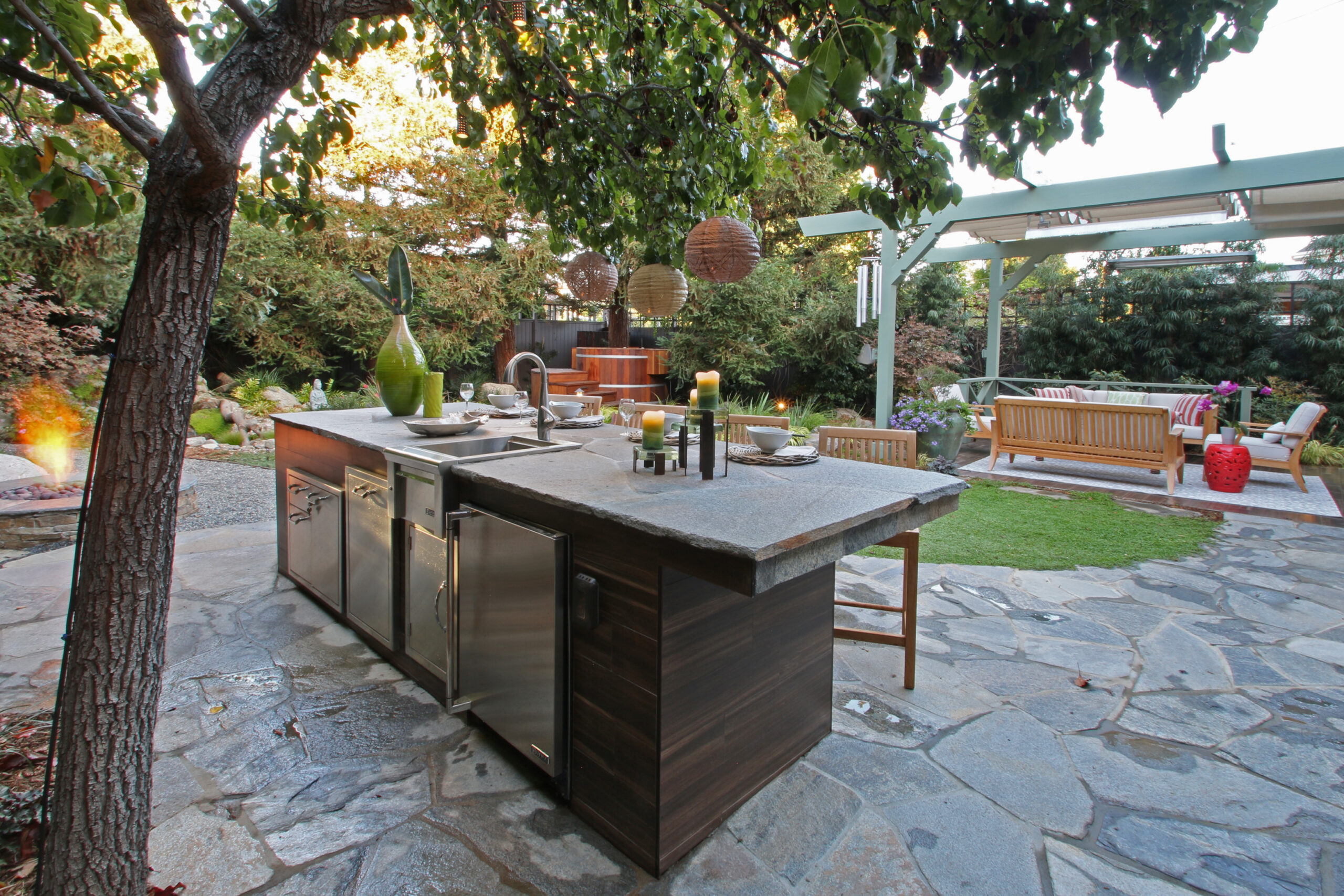
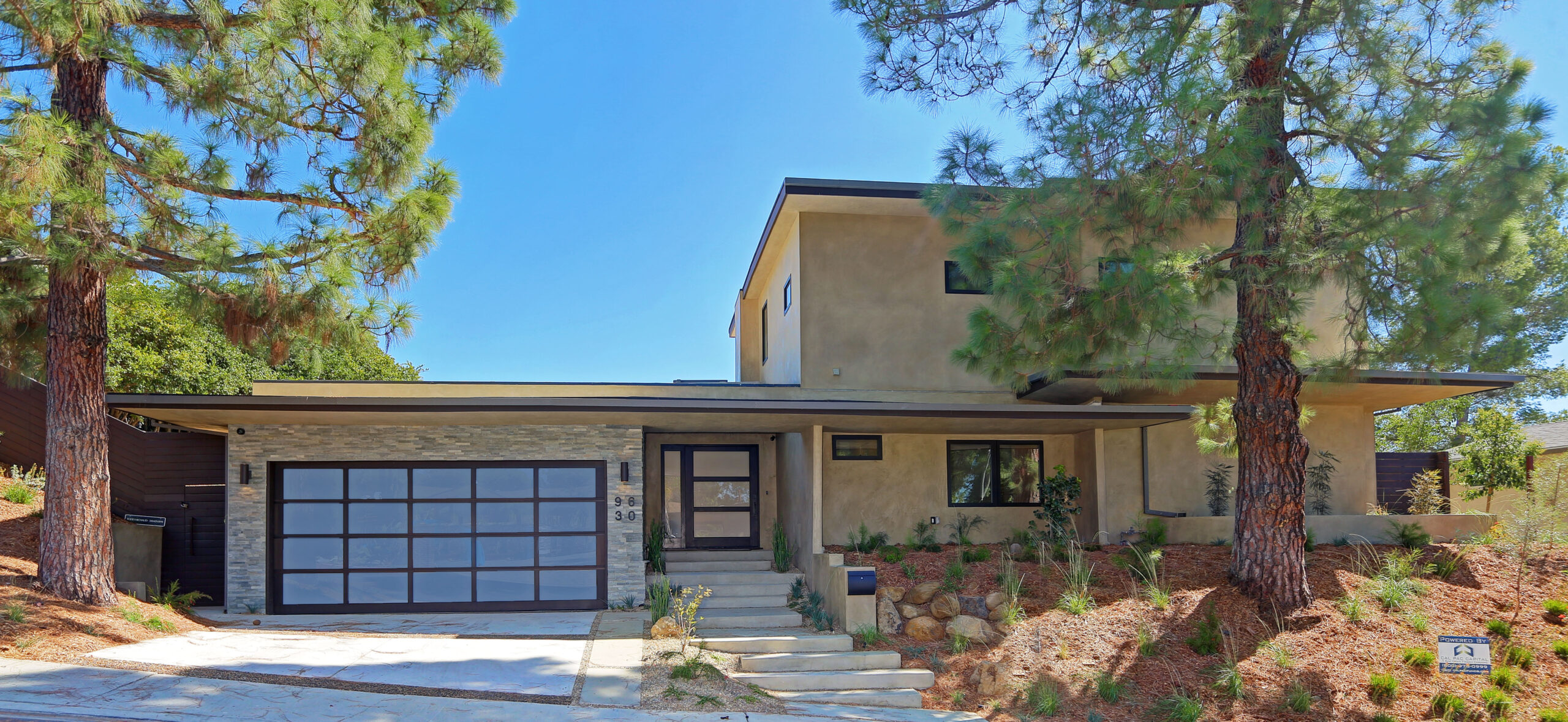
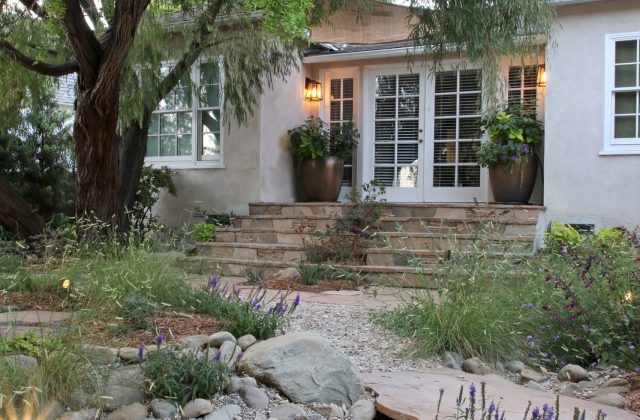
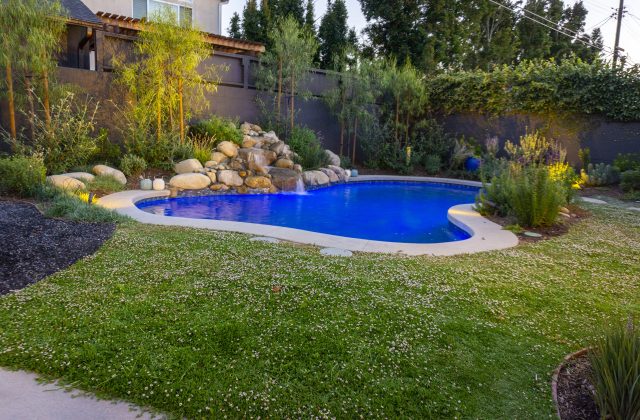
Services we offers
Frequently Asked Questions
Does landscape construction in Dana Point require a Coastal Development Permit?
What is the MWELO requirement for landscape projects in Dana Point?
Does the same team handle planting, hardscape, irrigation, lighting, and pool?
What are the WRRP requirements in Dana Point?
Do HOA communities in Dana Point review landscape installations?
Let’s Talk Today!
Address:
Heil Ave, Huntington Beach, CA 92649, USA
Begin Your Green Journey
We’d love to hear from you. Fill in your details and let’s start planning your perfect outdoor space.