Landscape Architect vs. Landscape Designer: Which One Do You Hire?
If you’re planning a new outdoor space or updating your landscape in Los Angeles, CA or Orange County, you’ve probably come across two similar titles: landscape architect and landscape designer.
They both create beautiful outdoor environments — but their roles, qualifications, and the type of projects they handle can be very different.
At Stout Design Build, we get this question often from homeowners who want to understand who they really need for their project. So let’s break it down in simple, practical terms.
What Does a Landscape Architect Do?
A landscape architect is a licensed professional trained in both the art and engineering of outdoor design. They handle projects that require technical drawings, grading, drainage, or permits — things that go beyond surface design.
In Los Angeles County and Orange County, landscape architects are especially important for hillside lots, structural retaining walls, or projects needing city approval.
Landscape architects typically:
- Hold a degree in landscape architecture
- Are licensed by the state (required in California)
- Prepare detailed construction documents for city approval
- Design with codes and safety in mind
- Coordinate with engineers and city officials to ensure plans meet requirements
If your project includes major structural elements like retaining walls, complex grading, or stormwater management, you might consider having a landscape architect on your team.
At Stout Design Build, we have a licensed landscape architect in-house — so when your design requires technical expertise, we handle it seamlessly.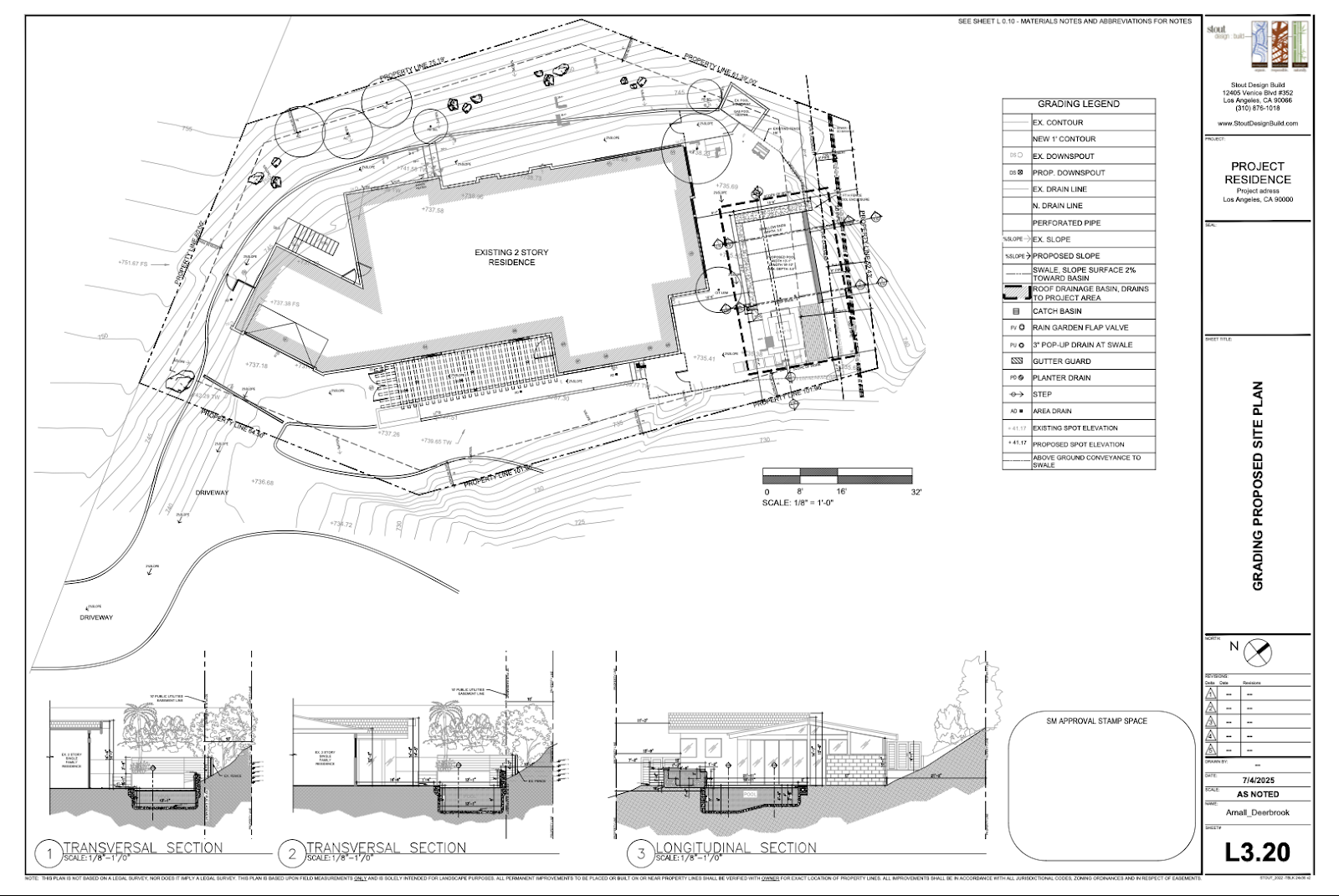
What Does a Landscape Designer Do?
A landscape designer often does many of the same things as a landscape architect — creating functional, beautiful outdoor spaces that bring a property to life.
The main difference is that landscape designers typically don’t hold a state license or a formal degree in landscape architecture. They rely on experience, creativity, and a deep understanding of materials, plants, and design flow to transform outdoor environments.
Landscape designers typically:
- Plan and design outdoor living areas, planting layouts, and hardscape features
- Select plants, materials, colors, and finishes that complement your home
- Coordinate with engineers, contractors, and city officials when needed
- Work closely with homeowners to ensure the design fits their lifestyle and aesthetic goals
At Stout Design Build, both Tom and Kathy are experienced landscape designers while Gabbrielle is an experienced Licensed Architect who blend design artistry with practical build knowledge — ensuring that every space we create is both stunning and structurally sound.
Whether it’s a backyard design, custom home build, or full home remodeling project, our design-build team ensures every detail is cohesive from concept to completion.
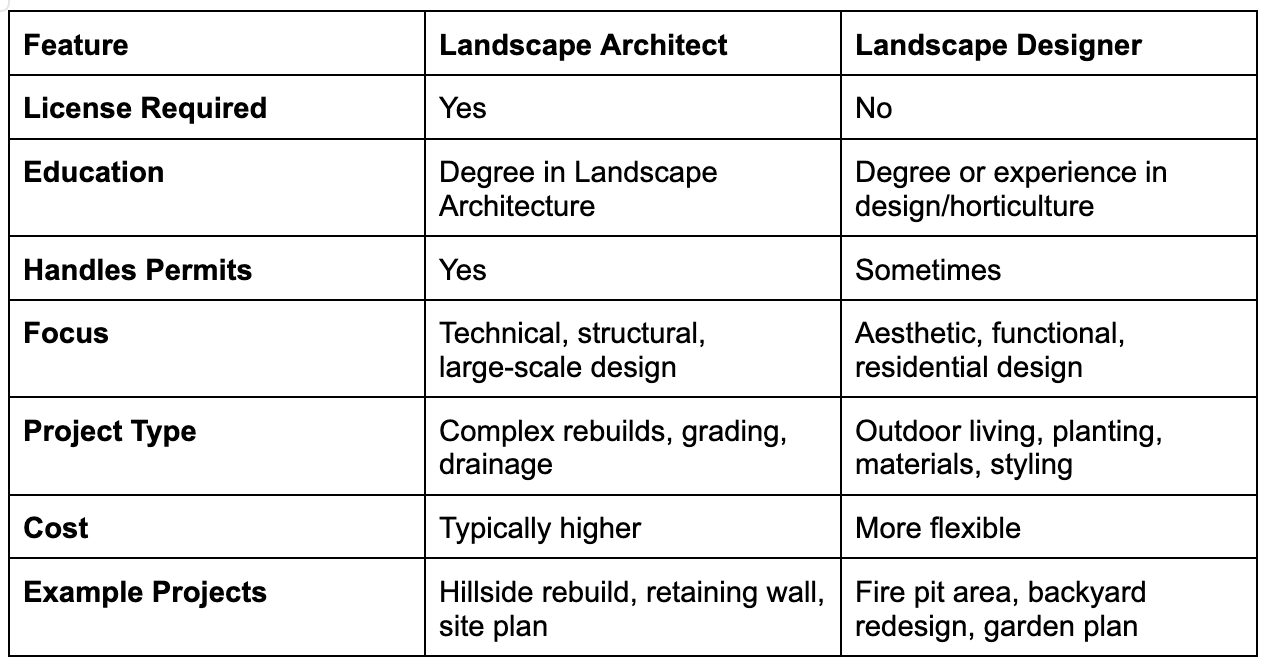
Landscape Architect vs. Landscape Designer —
A Simple Comparison
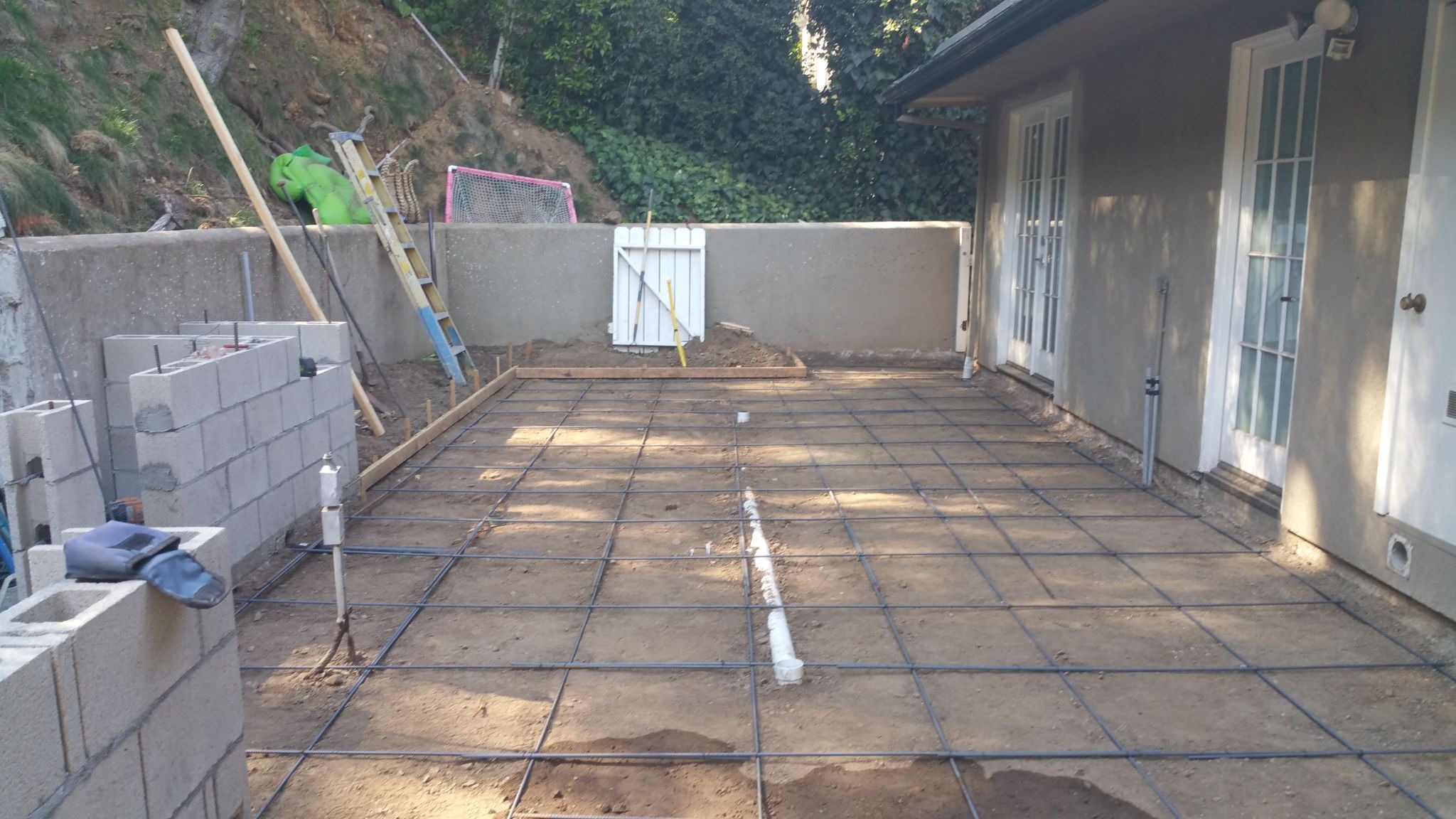
Before

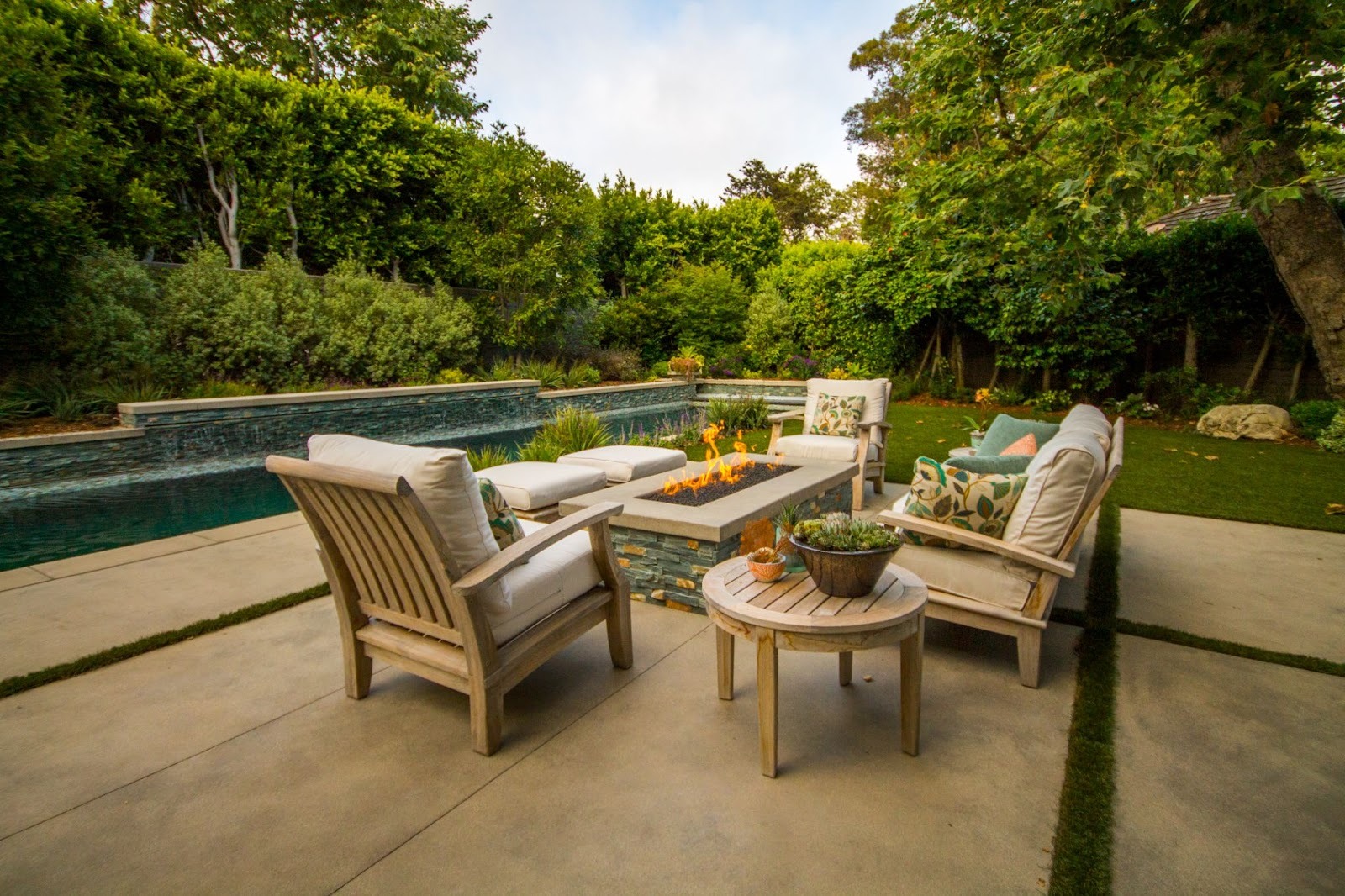
After
If you choose a landscape architect or a landscape designer with a good eye and solid experience, you really can’t go wrong either way.
If your project requires plans stamped for city approval, then a landscape architect is necessary. However, many of our designer colleagues often ask us to review their plans — and when everything meets professional standards, we’re able to stamp those plans for submittal to the city.
At Stout Design Build, we believe collaboration always produces the best results. By combining technical precision with creative vision, we help ensure that every project moves smoothly from concept to completion.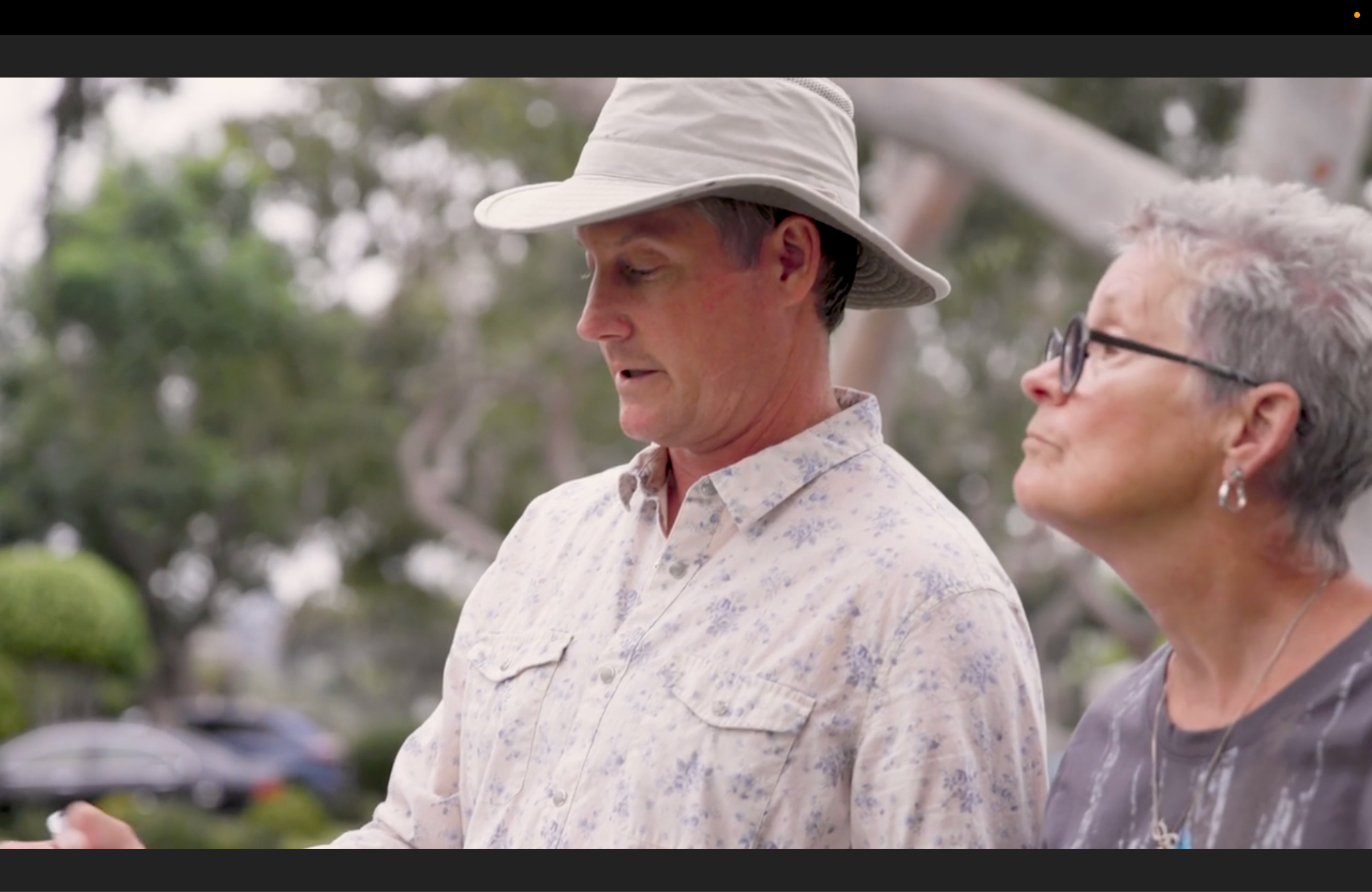
Final Thoughts:
Choosing between a landscape architect and a landscape designer really comes down to the needs of your project.
If permits, grading, or engineering are involved, an architect’s license may be required. If the focus is on planting, materials, and creating a welcoming outdoor space, a designer may be the right fit.
At our studio, both disciplines work side by side. The goal isn’t to push one over the other—it’s to make sure your plans are sound, your ideas are practical, and the end result feels like home.
If you’re unsure which direction to take, we’re happy to look at your plans, answer a few questions, and point you toward the best next step